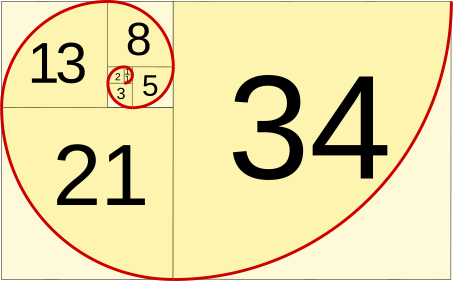
In mathematics, the Fibonacci sequence is a sequence in which each element is the sum of the two elements that precede it. Numbers that are part of the Fibonacci sequence are known as Fibonacci numbers, commonly denoted Fn .
For Fibonacci we start with x 0 = 0 and x 1 = 1. And here is a surprise. When we take any two successive (one after the other) Fibonacci Numbers, their ratio is very close to the Golden Ratio " φ " which is approximately 1.618034... The Golden Ratio is found in art, architecture, and nature.
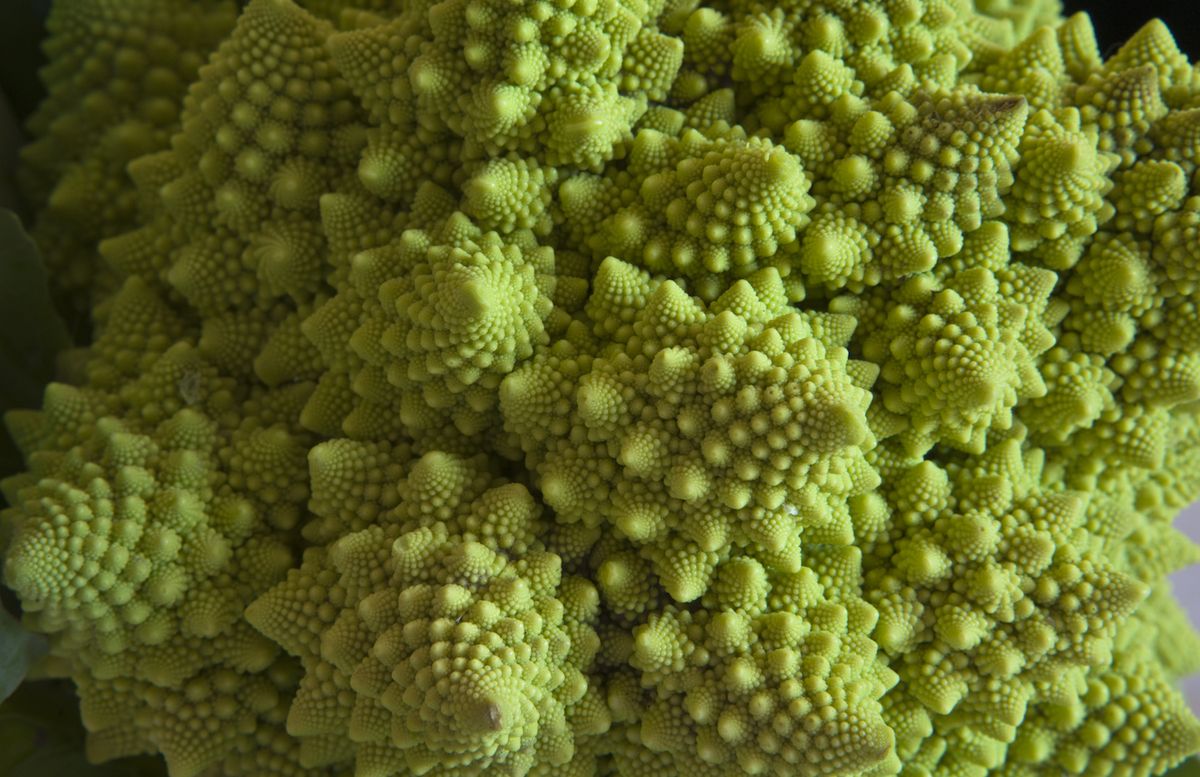
Learn about the origins of the Fibonacci sequence, its relationship with the golden ratio and common misconceptions about its significance in nature and architecture.
Fibonacci, medieval Italian mathematician who wrote Liber abaci (1202), which introduced Hindu-Arabic numerals to Europe. He is mainly known because of the Fibonacci sequence.
The Fibonacci sequence is one of the most iconic and widely studied concepts in mathematics. It represents a series of numbers in which each term is the sum of the two preceding terms, beginning with 0 and 1.
Science Break out the calculators: November 23 is Fibonacci Sequence Day The cornerstone of modern math wouldn’t be possible without the Hindu-Arabic numerical system. Andrew Paul
November 23rd is celebrated as Fibonacci Day, as it has the digits "1, 1, 2, 3" which is part of the sequence. In this article, we will learn about the Fibonacci Sequence, along with its formula, examples, golden ratio, etc.
Discover the fascinating world of Fibonacci sequence - its mathematical formula, golden ratio connection, natural patterns, and practical applications in modern technology.
In mathematics, Fibonacci is a concept that can be represented as numbers, sequences, or series such that each term is the sum of the two terms preceding it and the first two terms are 0 and 1. A Fibonacci number is generally denoted by F n, where n is a whole number.